Source WF2 Explosion Proof LED Headlamp for Gas Stations
Compare 30 WF2 explosion proof LED headlamp options from verified suppliers. These units feature IP66 ratings, 120 lm/W efficiency, and are designed for hazardous locations like refineries and spray booths with customizable OEM packaging; compare the available evidence and request quotations based on your requirements.
Key considerations
Products List


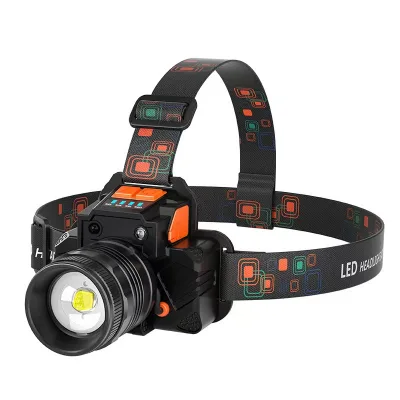


Comprehensive Sourcing Guide
WF2 Explosion Proof LED Headlamp Sourcing Guide
Procuring a WF2 explosion-proof LED headlamp requires a rigorous understanding of hazardous area classifications and the specific operational demands of high-risk environments. The WF2 designation typically refers to a specific explosion-proof rating or internal component configuration, necessitating that buyers verify the exact certification scope against their site’s zone requirements. These devices are engineered for environments where flammable gases, vapors, or mists may be present, such as gas stations, refineries, and spray booths. The core challenge lies in ensuring that the headlamp’s ingress protection and thermal management systems can withstand the corrosive and explosive atmospheres without compromising safety or functionality.
Buyers must also consider the ergonomic and practical aspects of wearing this equipment for extended shifts. The headlamp serves as a critical lighting solution for workers in low-visibility conditions, requiring high luminous efficiency and a wide beam angle to ensure comprehensive coverage. Given the hazardous nature of the workplaces, the device must be robust, waterproof, and dustproof, often meeting IP66 standards to prevent ingress of water and dust. The integration of lithium-ion batteries provides the necessary power density, but the charging time and lifespan of these batteries are crucial factors in maintaining operational continuity and reducing downtime in remote or demanding industrial settings.
Product Scope and Observed Listing Signals
The current market for explosion-proof LED headlamps presents a diverse range of models, with observed listings indicating a price range from $1 to $210 USD and minimum order quantities (MOQs) varying from 1 to 1000 units. This wide variance suggests that buyers can find options for both individual replacement needs and large-scale industrial procurement. The presence of customization options, including OEM packing boxes and logo acceptance, indicates that many suppliers are willing to tailor products for specific corporate identities or branding requirements. This flexibility is particularly valuable for large enterprises that need to maintain uniform safety equipment standards across multiple sites.
Observed product attributes highlight key technical features such as a 120 lm/W luminous efficiency, a color rendering index (Ra) of 85, and a working temperature range of -30°C to 50°C. These specifications suggest that the devices are designed for high performance in extreme conditions. The use of industrial plastics or aluminum alloy for the lamp body, combined with steel components in some models, offers a balance between durability and weight. Buyers should note that while some listings mention a 1-year warranty, others offer up to 5 years, indicating a significant difference in supplier confidence and product longevity that should be carefully evaluated during the sourcing process.
Technical Specifications to Verify
When evaluating technical specifications, the battery type and charging time are paramount for operational reliability. Most observed models utilize lithium-ion batteries, with some featuring built-in 18650 cells, and offer a charging time of less than or equal to 16 hours. This charging duration is critical for shift-based operations where rapid turnaround is necessary. Additionally, the lighting period of over 12 hours ensures that the headlamp can sustain long work shifts without frequent recharging. Buyers should verify the actual battery capacity and discharge curves to ensure that the claimed lighting period is consistent under real-world usage conditions, particularly in cold environments where battery performance may degrade.
The optical and structural specifications also require close scrutiny. The IP66 rating confirms that the headlamp is protected against powerful water jets and dust ingress, which is essential for outdoor and industrial use. The color temperature of 6000K (daylight alert) provides bright, clear illumination that enhances visibility and reduces eye strain. Furthermore, the support for dimming functions allows users to adjust brightness levels to conserve battery life or adapt to different lighting needs. Buyers should also check the physical dimensions and weight, as a compact design measuring approximately 86 x 87 x 71 mm can significantly improve comfort during prolonged wear, reducing fatigue and increasing worker productivity.
Compliance and Safety Documentation
Safety compliance is the most critical aspect of sourcing explosion-proof equipment. Buyers must ensure that the headlamp carries the appropriate certifications for the specific hazardous areas where it will be used. Common certifications observed include CE, CCC, and RoHS, which indicate compliance with European, Chinese, and environmental standards, respectively. However, for true explosion-proof applications, buyers should look for specific ATEX or IECEx certifications that validate the device’s ability to operate safely in explosive atmospheres. The security level mentioned, such as Ex ID Iic T4 GB, provides insight into the device’s protection level and temperature class, which must match the site’s hazard classification.
Documentation should also include detailed test reports and user manuals that explain the installation, maintenance, and troubleshooting procedures. Buyers should verify that the supplier provides clear guidance on how to inspect the headlamp for damage and how to replace batteries safely. The presence of a dialux evo layout service suggests that some suppliers offer professional lighting design support, which can be valuable for planning the overall lighting strategy of a facility. Ensuring that all documentation is up-to-date and in the correct language is essential for maintaining compliance and ensuring that workers can use the equipment safely and effectively.
Cost Drivers and Commercial Terms
Several factors influence the cost of explosion-proof LED headlamps, including the materials used, the complexity of the explosion-proof design, and the level of customization required. Models with aluminum alloy bodies and advanced thermal management systems tend to be more expensive than those made from industrial plastics. The inclusion of features such as dimming capabilities, high CRI LEDs, and long-lasting lithium-ion batteries also adds to the cost. Buyers should consider the total cost of ownership, which includes not only the initial purchase price but also the cost of maintenance, battery replacement, and potential downtime due to equipment failure.
Commercial terms such as MOQ, lead time, and payment conditions vary significantly among suppliers. While some suppliers offer low MOQs for sample orders, others may require larger quantities to achieve competitive pricing. The observed MOQ range of 1 to 1000 units provides flexibility for different procurement strategies. Buyers should also inquire about warranty terms, as some suppliers offer up to 5 years of coverage, which can reduce long-term risks and costs. Additionally, the availability of OEM packing and logo customization may incur additional fees, so these costs should be factored into the overall budget. Clear communication regarding shipping methods, such as ocean freight, is also essential for planning logistics and delivery schedules.
Supplier Qualification and Quality Control
Selecting a reliable supplier is crucial for ensuring the quality and safety of explosion-proof LED headlamps. Buyers should verify the supplier’s manufacturing capabilities, including their production facilities and quality control processes. Suppliers located in regions like Zhejiang and Beijing, China, often have established supply chains and expertise in producing industrial lighting equipment. However, buyers should conduct thorough due diligence to ensure that the supplier adheres to international quality standards and has a proven track record of delivering compliant products. Requesting samples and conducting independent testing can help validate the supplier’s claims regarding performance and durability.
Quality control measures should include rigorous testing for explosion-proof integrity, ingress protection, and electrical safety. Buyers should ask for detailed quality assurance reports and inspection certificates for each batch of products. The ability to provide customization, such as specific packing boxes or logo designs, indicates a supplier’s flexibility and attention to detail. Additionally, suppliers that offer lighting solutions services, such as dialux evo layouts, demonstrate a higher level of technical expertise and customer support. Establishing a strong relationship with a qualified supplier can lead to better pricing, improved service, and consistent product quality over time.
Long-Term Procurement Checks
Long-term procurement success depends on continuous monitoring of product performance and supplier reliability. Buyers should establish a feedback loop with end-users to gather insights on the headlamp’s durability, comfort, and lighting performance in real-world conditions. Regular audits of the supplier’s quality control processes and certification status are essential to ensure ongoing compliance with safety standards. Buyers should also stay informed about advancements in LED technology and battery chemistry, which may offer opportunities to upgrade to more efficient and longer-lasting models.
Maintenance and support services are critical for extending the lifespan of the equipment. Buyers should ensure that the supplier provides readily available spare parts, such as batteries and lenses, and offers technical support for troubleshooting. The warranty period, which can range from 1 to 5 years, should be clearly understood and utilized to protect against defects. Additionally, buyers should consider the environmental impact of the products, ensuring that they are RoHS compliant and that batteries are disposed of responsibly. By maintaining a proactive approach to procurement and maintenance, organizations can ensure the safety and efficiency of their workers in hazardous environments.
FAQs
What is the IP rating for this explosion proof headlamp?
The product features an IP66 rating, ensuring it is waterproof, dustproof, and corrosion-resistant for hazardous environments. This level of protection allows safe operation in gas stations, refineries, and spray booths where dust and water exposure are common concerns for industrial workers.
How long does the battery last during operation?
The lighting period exceeds 12 hours on a single charge, powered by built-in 18650 lithium batteries. Charging time is within 16 hours, providing reliable illumination for extended shifts in hazardous locations like refineries without frequent recharging interruptions.
Which certifications does the headlamp hold for safety?
The device holds CE, CCC, and RoHS certifications to ensure compliance with international safety standards. It also meets the Wf2 and Ex ID Iic T4 GB security levels required for use in explosive atmospheres and hazardous industrial zones.
Can the product be customized with a specific brand logo?
Yes, customization is available including customer brand OEM packing boxes and logo acceptance. Buyers can request specific packaging solutions or branding to align with their corporate identity while maintaining the required explosion-proof specifications for industrial safety.
What is the warranty period for this lighting solution?
The standard warranty period is one year, though some specific models offer up to five years of coverage. This ensures long-term reliability for users operating in demanding environments like gas stations or hazardous chemical processing facilities.
How is the product packed for international shipping?
Packing options include standard carton boxes, customer brand OEM packing boxes, or normal export cases. Ocean freight is also supported for bulk shipments, ensuring safe delivery of these industrial lighting solutions to global destinations.